Multilayer 3D Mandala Cut File Design: A Strategic Guide to Precision, Depth, and Application
When you first encounter a multilayer 3D mandala cut file design, the immediate impression is one of intricate beauty. Layers of carefully carved shapes stack to create depth, shadow, and a sense of movement that a flat design simply cannot match. But beyond the visual appeal, this design approach offers a practical toolkit for creators, entrepreneurs, and professionals who care about quality, differentiation, and long-term outcomes. Understanding the strategic use of multilayer 3D mandala cut file design can transform how you approach projects, whether you are building a product line, enhancing a brand, or refining a creative process.
What Defines a Multilayer 3D Mandala Cut File Design
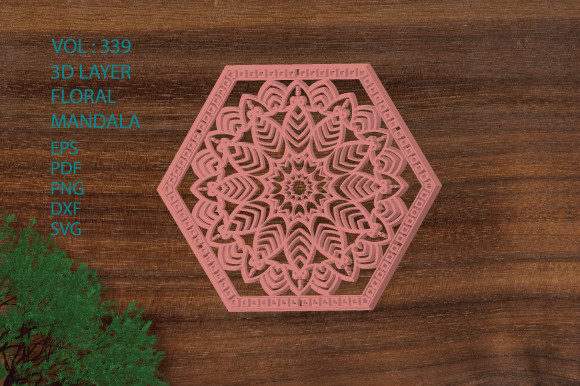
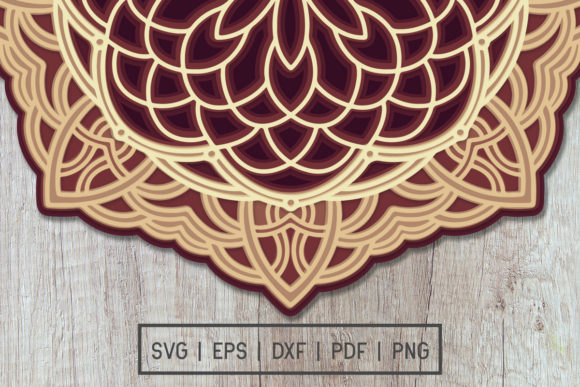
At its core, a multilayer 3D mandala cut file design is a digital template intended for cutting machines like lasers, CNC routers, or die cutters. The design consists of multiple distinct layers, each representing a different depth or plane of the mandala pattern. When assembled, these layers stack to form a three-dimensional relief. The mandala geometry itself—concentric circles, repeating motifs, symmetric paths—lends itself well to layering because repetition creates rhythm, and depth adds contrast. The result is a tactile, shadow-rich piece that can be rendered in paper, wood, acrylic, or other sheet materials.
For professionals and serious hobbyists, the value lies not just in the final aesthetic but in the planning required to produce it. Each layer must align precisely, account for material thickness, and consider structural integrity. This is where strategic thinking enters: a well-conceived multilayer mandala cut file design is a system of interdependent parts, not a random collection of shapes. Treating it as such is the first step toward reliable results.
Strategic Value for Creatives and Professionals
Adopting multilayer 3D mandala cut file design into your workflow is not simply about following a trend. When used with intention, it supports several business and creative goals.
Brand Differentiation Through Customization
In a crowded marketplace, offering products that feel unique can set a business apart. A custom multilayer mandala design can become a signature element in packaging, decorative items, or promotional materials. For example, a small home decor brand might use a specific mandala motif across multiple products—wall art, coasters, boxes—creating a cohesive identity. The depth of the design signals care and craftsmanship, which resonates with customers looking for quality over mass production.
Productivity Through Systematic Design
While the initial creation of a multilayer mandala cut file requires careful geometry, once the design is refined, it becomes a repeatable asset. Cutting multiple copies from the same file is efficient. Additionally, because the mandala structure is modular, you can swap elements or resize the pattern without starting from scratch. This systematic approach reduces time spent on each new variant, allowing you to focus on other tasks like marketing, customer communication, or inventory management.
Creativity Within Constraints
Working with layers imposes constraints: material thickness, alignment tolerances, and assembly order. Rather than stifling creativity, these constraints often sharpen it. When you must decide which elements go on the foreground layer versus the background, you are forced to prioritize visual hierarchy. This discipline can improve your overall design thinking, making you more deliberate in other projects as well.
When to Use Multilayer 3D Mandala Cut File Design
Not every project benefits from the complexity of multilayer stacking. Understanding the context helps you decide whether this approach aligns with your goals.
- Gift and luxury packaging: A multilayer mandala on a gift box lid adds a tactile element that elevates the unboxing experience. If your customer base values premium presentation, this design justifies the extra production time.
- Event decor and signage: Weddings, corporate events, or art installations often use mandalas for their symbolic symmetry. A 3D layered version catches light and creates shadows, making it more engaging than flat paper cutouts.
- Educational models and kits: For educators or creators of DIY kits, a multilayer mandala teaches spatial reasoning and assembly skills. It can be part of a learning experience about geometry, art, or engineering.
- Home accents with depth: Wall art, clocks, and lanterns benefit from the dimensional effect. A multilayer mandala can serve as a focal point without needing additional embellishment.
Conversely, if you need rapid prototyping or single-use items with minimal handling, a simpler flat design may be more practical. The strategic choice is to match the design complexity to the intended use and audience expectations.
Planning Your Multilayer 3D Mandala Project
Intentional planning separates a successful project from a frustrating one. Here are practical considerations drawn from experienced practitioners.
Material Selection and Layer Thickness
The material you choose directly affects how the layers interact. For example, using 1/8 inch plywood for the base and 1/16 inch for the top layers creates noticeable depth, but requires precise alignment. Thicker layers increase shadow and physical presence, but also demand more cutting power and time. Thinner layers, like cardstock, produce a delicate, airy effect but may lack durability. Decide early whether the piece needs to be handled frequently or remain as a static display, then select accordingly.
Alignment and Registration
One of the most common pitfalls is misalignment between layers. To avoid this, design your file with clear registration marks or tabs. Some professionals include interlocking notches that force each layer into place. Others rely on external jigs or pins. Whichever method you choose, test it before committing to a production run. A single misaligned layer can ruin the entire piece, wasting material and time.
Assembly Sequence
Think about how the layers will be glued or fastened. Start with the lowest layer and work upward, allowing each adhesive joint to set before adding the next. If your design includes floating elements or gaps, use spacers or risers to maintain consistent depth. Document the assembly order in your file notes or on a separate guide—especially valuable if you are training others or scaling production.
Testing Iterations
Run small tests with inexpensive materials before cutting a final version. This allows you to check fit, visual depth, and structural stability. Adjust the design based on what you observe. For instance, if a thin element breaks during test assembly, broaden it in the digital file or choose a stronger material. Iteration is a normal part of the process, not a sign of failure.
Risks of Using Multilayer Mandala Designs Without Clear Objectives
Even a beautiful design can lead to disappointment when applied without a clear purpose. Understanding these risks helps you use multilayer 3D mandala cut file design strategically rather than impulsively.
Increased cost and waste: Multiple layers mean more material consumption per unit. If you produce an item that does not sell or a prototype that never gets used, the investment in material and machine time is lost. Without a target customer or a specific application, you risk creating inventory that sits idle.
Frustration with production complexity: Alignment issues, material warping, and glue failures are common in multilayer projects. If you are unfamiliar with the process, these hurdles can drain motivation and lead to abandoned projects. Starting with a simpler two-layer design and gradually adding depth builds skill more reliably than jumping into a complex mandala with eight layers.
Misalignment with audience expectations: Not every customer appreciates intricate layering. Some may see it as overdesigned or difficult to display. If your primary market prefers minimalist and clean lines, a dense multilayer mandala might feel cluttered. Research your audience's preferences before committing to a design direction.
Overlooking structural integrity: A design that looks perfect on screen may be fragile in reality. Thin bridges, unsupported overhangs, or sharp corners can break during assembly or shipping. Always include breakaway testing in your planning phase.
These risks are manageable when you approach the project with clear goals: What outcome are you producing? For whom? How will you measure success? Answers to these questions guide your decisions and reduce wasted effort.
Making Intentional Choices: From Random to Purposeful
The difference between using a multilayer 3D mandala cut file design randomly and using it purposefully comes down to context. A random approach might involve downloading a free file, cutting it on a whim, and trying to sell it without considering fit. A purposeful approach aligns the design with a specific problem or opportunity.
For example, consider a freelancer who creates custom wedding invitations. Instead of adding a generic mandala layer to every invitation, they might design a multilayer mandala that incorporates the couple's initials or wedding date in the central layer. This makes the design personal and meaningful, justifying the extra effort and cost. The client perceives higher value, and the freelancer can charge accordingly.
Similarly, a small business selling laser-cut ornaments could use a consistent mandala base with interchangeable top layers that reflect different seasons or holidays. This balances efficiency with variety. The base layers remain the same, while the top layer changes, reducing design workload and inventory risk.
When you treat each design as part of a larger system rather than a one-off novelty, you build a body of work that communicates quality and thoughtfulness. That reputation compounds over time, benefiting your brand long after the initial cut.
Long-Term Benefits of Mastering Multilayer 3D Mandala Cut Design
Investing time in learning and refining multilayer 3D mandala cut file design pays dividends beyond individual projects. The skills you develop—precision planning, material knowledge, assembly techniques, and design optimization—transfer to other complex cutting tasks. You become more comfortable with multipart assemblies, which opens up possibilities for products like layered maps, architectural models, and interactive puzzles.
For educators and workshop leaders, a well-constructed multilayer mandala kit can be a teaching tool that demonstrates geometry, symmetry, and craft. Participants engage with the material physically, which aids retention and satisfaction. Over time, you can build a library of designs that serve different skill levels, giving you a scalable product line.
For professionals in marketing or product development, showcasing a multilayer mandala as part of your portfolio or product sample communicates attention to detail and technical competence. It tells potential clients or partners that you understand the interplay between design and production constraints. This can be a differentiator in pitches and negotiations.
Ultimately, the strategic use of multilayer 3D mandala cut file design is about making deliberate choices that align with your resources, audience, and long-term vision. It is not a shortcut to success, but a tool that when wielded with thought, can enhance your work and your results. Focus on planning, test rigorously, and let each layer serve a purpose. That is how you turn a decorative pattern into a reliable asset for your creative or professional practice.