The Complete Guide to After Sun Lotion: Benefits, Ingredients, and How to Use It
After a long day under the sun, your skin often feels warm, tight, or slightly tender. While sunscreen protects against harmful UV rays during exposure, it does not fully repair the cumulative stress that sunlight places on your skin. This is where after sun lotion steps in. Many people assume that sun care ends with SPF, but a dedicated after sun product plays a vital role in skin recovery. Whether you spent the day at the beach, worked in the garden, or simply walked through a sun-drenched city, understanding how after sun lotion works and why it matters can transform your approach to skin health.
What Is After Sun Lotion?
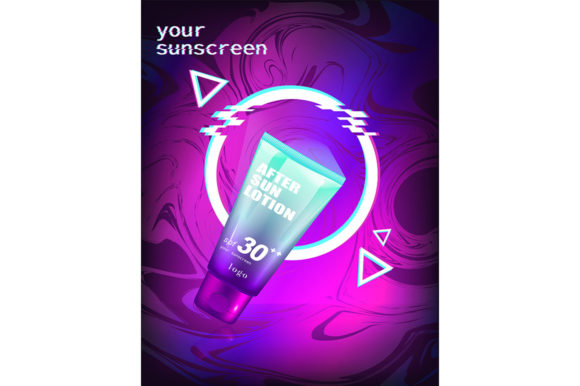
After sun lotion is a moisturizing product designed specifically to soothe and repair skin that has been exposed to sunlight. Unlike regular body lotions, after sun formulas often contain ingredients that cool irritation, replenish lost moisture, and support the skin's natural barrier. They are typically lighter in texture but rich in restorative compounds such as aloe vera, vitamin E, panthenol, and allantoin. Many products also include antioxidants to neutralize free radicals generated by UV exposure. While some people use after sun lotion only when they notice redness or peeling, its real value lies in proactive use after any extended time outdoors — even if your skin looks calm.
How It Differs from Sunscreen and Regular Moisturizer
It is important to distinguish after sun lotion from other skincare staples. Sunscreen is a preventive shield that absorbs or reflects UV radiation before it damages the skin. Regular moisturizer focuses on hydration and barrier maintenance but does not specifically address heat stress or UV-induced inflammation. After sun lotion bridges the gap between prevention and recovery. It targets the skin's immediate post-exposure needs: cooling, calming, and restoring. Using a dedicated after sun formulation enhances your skin's resilience over time, reducing the likelihood of long-term photoaging and discomfort.
Why Sun Care Doesn't Stop at SPF
Even the most diligent sunscreen users can experience subclinical sun damage. UV radiation generates heat in the skin, disrupts moisture levels, and triggers an inflammatory response that may not be visible for hours. Sunscreen filters out a significant portion of UV rays, but no product blocks 100% of them. Additionally, infrared radiation and visible light from the sun contribute to skin stress that SPF alone does not address. After sun lotion helps mitigate these effects by cooling the skin temperature, delivering antioxidants, and accelerating the repair process. This makes it an essential component of a complete sun protection strategy.
- Cooling effect: Ingredients like menthol, aloe vera, or cucumber extract help lower skin temperature and reduce the sensation of heat.
- Hydration replenishment: Sun exposure accelerates transepidermal water loss. After sun lotions often contain hyaluronic acid or glycerin to restore moisture quickly.
- Anti-inflammatory support: Chamomile, bisabolol, and green tea extracts calm redness and irritation.
- Antioxidant repair: Vitamins C and E help neutralize free radicals and support collagen stability.
Key Ingredients in After Sun Lotions
The effectiveness of an after sun lotion depends largely on its ingredient profile. Understanding what to look for can help you choose a product that meets your skin's needs. Below are some of the most common and beneficial components found in high-quality after sun formulas.
Aloe Vera
Aloe vera is perhaps the most iconic after sun ingredient. It provides immediate cooling relief, contains polysaccharides that support skin hydration, and has natural anti-inflammatory properties. Look for products where aloe vera appears high on the ingredient list, ideally as a primary component rather than a minor additive.
Vitamin E (Tocopherol)
Vitamin E is a fat-soluble antioxidant that helps protect cell membranes from oxidative stress. It also supports skin barrier repair and reduces the appearance of sun-related dryness. When combined with vitamin C, its effectiveness is enhanced.
Panthenol (Provitamin B5)
Panthenol acts as a humectant, drawing moisture into the skin while also soothing irritation. It penetrates deeply and helps rebuild the skin's protective layer. Many dermats recommend panthenol-enriched after sun products for sensitive skin.
Allantoin
Allantoin promotes cell regeneration and accelerates wound healing. It is particularly helpful for skin that feels rough or begins to peel after sun exposure. It also softens the skin and reduces flaking.
Green Tea Extract (Camellia Sinensis)
Green tea is rich in polyphenols called catechins, which are potent antioxidants. Studies show that topical application of green tea extract can reduce erythema (redness) and inhibit the inflammatory cascade triggered by UV radiation.
Centella Asiatica (Madecassoside)
Centella Asiatica has become a star in the skincare world for its wound-healing and barrier-strengthening properties. In after sun lotions, it helps calm sensitivity and promotes even skin tone recovery.
How to Choose the Right After Sun Lotion
With so many options on the market, selecting the ideal after sun lotion can feel overwhelming. Focus on your skin type, the intensity of your sun exposure, and any specific concerns you have. A few practical guidelines can help narrow the field.
- Consider your skin type. Oily or acne-prone skin benefits from gel-based formulas that absorb quickly without clogging pores. Dry or mature skin responds better to cream-based lotions with richer emollients like shea butter or ceramides.
- Check for fragmentrance-free options if you have sensitive skin. Many after sun products contain fragrance to create a "fresh" scent, but this can irritate compromised skin. Look for labels that specify "fragrance-free" or "for sensitive skin."
- Look for multi-functional benefits. Some after sun lotions also contain mild self-tanner to even out tan lines, or include cooling agents that provide instant relief. Decide whether you want a pure recovery product or one with added cosmetic effects.
- Avoid harsh preservatives and alcohols. Denatured alcohol can sting and dry out skin that is already stressed. Choose products with gentle preservative systems and no drying alcohols.
- Read reviews and dermatologist recommendations. Real-world experiences can reveal how a product performs under varied conditions, from beach days to urban walks.
How to Apply After Sun Lotion for Best Results
Using after sun lotion correctly enhances its benefits. Timing, quantity, and technique all matter. Here is a step-by-step approach that maximizes recovery without wasting product.
Immediate Post-Exposure Application
After you come indoors, rinse your skin with cool (not cold) water to remove salt, sand, chlorine, and residual sunscreen. Pat your skin dry gently with a soft towel. While your skin is still slightly damp, apply after sun lotion generously to all exposed areas. This helps lock in surface moisture and allows the active ingredients to absorb more effectively.
Focus on High-Exposure Zones
Your shoulders, face, neck, décolletage, arms, and legs typically receive the most direct sunlight. Take extra care to apply an even layer to these areas. The back of your hands and tops of your feet are often overlooked but are equally vulnerable to sun stress.
Reapply as Needed
If you have been out in the sun for several hours or if your skin feels particularly warm, reapply after sun lotion once more before bed. Overnight application allows the product to work during the skin's natural repair cycle. Many after sun lotions are designed to be safe for frequent use without causing buildup or irritation.
Combine with Internal Hydration
Drinking water after sun exposure complements the topical benefits of after sun lotion. Hydrated skin cells recover more efficiently, and systemic hydration helps reduce the overall inflammatory response. Pair your lotion application with a glass of water or an electrolyte drink for maximum benefit.
Common Misconceptions About After Sun Care
Several myths surround after sun lotion, and clearing them up can help you avoid ineffective habits.
Myth 1: You only need after sun lotion if you are sunburned. This is perhaps the most common misunderstanding. Even without visible redness, your skin experiences oxidative stress and moisture loss after sun exposure. Regular after sun use prevents cumulative damage and maintains skin health.
Myth 2: After sun lotion can reverse sun damage. No topical product can undo the cellular changes caused by UV radiation. After sun lotion supports repair and minimizes discomfort, but it does not erase sun damage. Consistent sun protection remains the primary defense.
Myth 3: All after sun lotions are the same. Formulations vary widely. Some are heavy on fragrance and light on active ingredients, while others are scientifically designed with proven soothing compounds. Reading ingredient labels and choosing reputable brands makes a significant difference.
Myth 4: After sun lotion is only for summer. Sun exposure happens year-round — during skiing, hiking, or even through car windows. After sun care is relevant any time your skin has been exposed to UV rays, regardless of season.
The Role of After Sun Lotion in Modern Skincare
As awareness of skin health grows, after sun lotion has moved from a seasonal afterthought to a year-round staple in many routines. Its principles align with the broader skincare emphasis on barrier function, antioxidant protection, and gentle repair. In a world where people spend more time outdoors for fitness, leisure, and mental well-being, having a reliable recovery protocol is essential. After sun lotion fits seamlessly into that protocol, offering both immediate comfort and long-term preventive care.
Additionally, after sun lotion has found a place in the growing "skinimalism" movement, where multi-purpose products reduce clutter. Many after sun formulas double as lightweight moisturizers for warm climates, reducing the need for separate day creams. This versatility appeals to minimalists and travelers alike.
Practical Takeaways for Daily Life
Whether you live in a sunny coastal region or a northern climate with intense summer weeks, incorporating after sun lotion into your routine is straightforward. Keep a bottle in your bathroom for post-shower use and another in your bag for on-the-go reapplication. Teach family members, especially children, to use it after outdoor play. It is a small habit that pays dividends in skin comfort and resilience over time.
If you are new to after sun lotion, start with a basic, fragrance-free formula containing aloe vera and vitamin E. Use it consistently after any outdoor exposure of 30 minutes or more. Observe how your skin responds — you will likely notice less tightness, reduced redness, and a smoother texture. Over weeks and months, this simple addition to your skincare arsenal can help your skin look and feel healthier, even as you enjoy the outdoors.
In summary, after sun lotion is not a luxury or a niche product. It is a practical, evidence-backed tool that addresses the real physiological effects of sun exposure. By understanding its ingredients, choosing a product suited to your skin, and applying it correctly, you give your skin the care it deserves after every encounter with the sun.