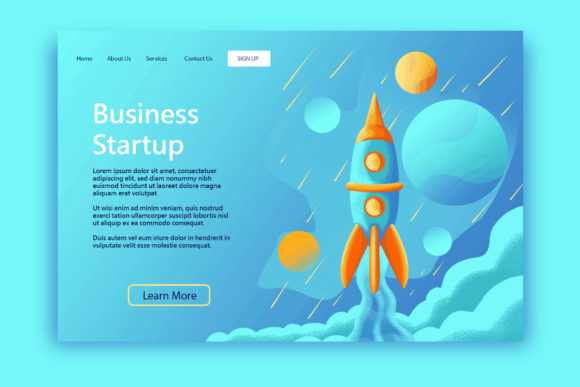
Business Startup Landing Page: A Practical Guide for Entrepreneurs, Creators, and Small Business Owners
When you’re starting something new—a product, a service, a course, or even a side hustle—the first thing people often ask is, “Where can I learn more?” A dedicated page that answers that question clearly can make the difference between a promising idea and a real launch. That page is what many call a business startup landing page. It’s not just another website link; it’s a focused, goal-oriented page designed to capture attention, explain your offer, and guide visitors toward a specific action—whether that’s signing up for early access, pre-ordering, or simply joining a waitlist.
Think of it as your startup’s first handshake with the world. Unlike a full website with multiple pages, a landing page strips away distractions. It tells one story, to one audience, with one purpose. For someone just starting out, this focus is gold. It lets you test an idea without building an entire site, validate demand before investing heavily, and build a list of interested people from day one.
Where and When a Business Startup Landing Page Makes Sense
You might be wondering: do I really need a landing page for my startup? The short answer is yes, especially if you’re in the early stages. Here are a few common situations where a dedicated landing page shines.
Pre-launch and validation
Say you have an idea for a subscription box for remote workers. You haven’t sourced products yet, but you want to know if people will pay for it. A landing page with a compelling description, a few mockup images, and a sign-up form can quickly tell you if there’s interest. You can drive a small amount of traffic from social media or a forum and see how many people convert. If the numbers look good, you move forward. If not, you iterate or pivot—without losing months of work.
Beta or early access sign-ups
For software startups, a landing page is almost essential. You can announce a private beta and collect emails. You can even segment sign-ups by role (developer, designer, marketer) to tailor your launch communication. Many successful SaaS companies started with nothing more than a simple page explaining the problem they solved and a button that said “Get Early Access.”
Crowdfunding campaigns
If you’re planning to launch on Kickstarter or Indiegogo, a pre-campaign landing page is a proven tactic. You can build an audience before the campaign goes live. offer a teaser video, share behind-the-scenes updates, and give people a reason to subscribe. When the campaign finally launches, you already have warm leads who are ready to back you.
Course or digital product launches
Creators and educators often use landing pages to sell an online course, an ebook, or a template pack. Instead of redirecting to a full website, a landing page lets you tell a focused story about who the product is for and what transformation it provides. You can include testimonials, a syllabus preview, and a limited-time discount to encourage early purchases.
Freelancers and service providers
If you’re a freelance designer, consultant, or coach, a landing page can act as a specialized offer page. For example, you might create a page for “Website audit for local businesses” that explains exactly what the client gets, how much it costs, and how to book. It’s more targeted than a generic portfolio page and can convert better because everything is laid out clearly.
How Different Users Benefit from a Startup Landing Page
The beauty of a business startup landing page is that it adapts to your specific situation. Let’s look at how different types of users might leverage one.
- Solopreneurs and side-hustlers: You can launch a minimal landing page in an afternoon using any drag-and-drop builder or even a simple WordPress page. It gives you a professional-looking presence without needing a developer. You can start building an email list while you refine your product or service.
- Small business owners launching a new product line: Instead of revamping your entire site, you can create a dedicated landing page for the new offering. This lets you run targeted ads directly to that page, track conversions, and measure interest separately from your main business.
- Marketers testing ideas: A/B testing becomes straightforward with a landing page. You can test different headlines, images, or calls-to-action to see what resonates before committing to a full marketing campaign. The data you gather helps you make smarter decisions.
- Bloggers and publishers: When you want to launch a premium newsletter or a paid community, a landing page is the ideal way to explain the value and collect subscribers. You can link to it from your blog posts, social media bios, or sidebar.
- Educators and trainers: If you’re offering a live workshop or a self-paced course, a landing page lets you outline the curriculum, share instructor credibility, and handle registrations seamlessly. It also builds anticipation.
Practical Examples and Scenarios
Let’s walk through a few realistic scenarios to see the landing page in action.
Scenario 1: The part-time app developer. Maria has built a simple app that helps indie writers track daily word counts. She wants to test interest before spending time on app store listings. She creates a landing page with a headline: “Hit your writing goals every day.” Below, she explains three key features, shows a screenshot, and offers a free 7-day trial in exchange for an email address. She shares the link in a writing community on Reddit and gets 200 sign-ups in a week. That’s enough validation for her to proceed with the full version.
Scenario 2: The small bakery expanding. Carlos owns a local bakery and wants to launch a monthly “Sourdough Starter Kit” shipped nationwide. He builds a landing page that includes photos of the kit, a short video of the baking process, and a pre-order button with a launch discount. He runs a small Facebook ad to people interested in artisan bread. The page converts at 12%, far above his existing website’s average. The landing page’s single focus is what makes it work—visitors aren’t distracted by other products or general info.
Scenario 3: The online course creator. Priya is a graphic designer launching a course on “Logo Design for Beginners.” She creates a landing page that lists the modules, shares a few before-and-after student examples, and includes a bio that emphasizes her 10 years of experience. She adds a limited-time price and a money-back guarantee. Students who land on this page know exactly what they’re getting and why they should trust her. The page generates steady enrollments without the need for a complicated website.
What to Consider Before Creating Your Business Startup Landing Page
Before you jump in and start designing, take a moment to think about what will make your page effective—and what might hold it back.
Clarity over cleverness
Your headline should instantly tell visitors what you’re offering and who it’s for. Avoid vague or overly clever phrases. “Get More Done” isn’t as strong as “A simple tool for freelancers to track project hours.” Be specific. Your value proposition should be clear within seconds of landing on the page.
One call-to-action (CTA)
A common mistake is including multiple actions: “Sign up,” “Learn more,” “Watch video,” “Buy now.” That splits attention. Decide on the single most important action you want visitors to take and make it prominent. Secondary information can be below or in supporting text, but the main button should be impossible to miss.
Trust signals matter
For a startup, you may not have a long track record. That’s okay. Include what you do have: a personal photo or team photo, social proof like early testimonials or media mentions, security badges, or a money-back guarantee. If you have any notable numbers (e.g., “Already 500 people on the waitlist”), mention them. These small signals build credibility.
Load speed and mobile responsiveness
Many visitors will come from mobile devices, especially if you’re sharing the link on social media or in an email. Test your landing page on a phone. If images take too long to load or text is hard to read, people will leave. Keep the design simple and compressed.
Forms that don’t scare people away
If your goal is lead capture, ask for the minimum information needed. Usually just a name and email address is enough. The more fields you add, the lower your conversion rate. You can always ask for more details later in the relationship.
Integration with your other tools
Consider how the landing page connects to your email marketing platform, CRM, or payment system. If someone signs up, you want to be able to send a confirmation email automatically and add them to your list. Make sure the technical setup is smooth before you drive traffic.
Testing before you scale
Don’t spend weeks perfecting one version. Get a decent page live, drive a small amount of targeted traffic, and see what happens. You can always refine based on real data. The cost of iteration is low compared to the cost of waiting.
Connecting Features to Real Outcomes
When you read about landing page features like “video background,” “countdown timer,” or “social proof bar,” it’s easy to get caught up in bells and whistles. But what really matters is what those features do for your visitors. A countdown timer can create urgency and boost conversions, but only if the offer is truly limited. A video can build trust faster than text, but only if it shows something relevant. A testimonial from the right persona can reassure a hesitant buyer, but only if it’s specific and believable.
In practice, the best landing pages feel simple, almost minimal. They respect the visitor’s time and clearly answer the question: “What’s in it for me?” For a startup, that answer often includes a sense of being part of something new—an early adopter community, a chance to shape the product, or a special launch price. The landing page is your stage for telling that story.
Ultimately, a business startup landing page isn’t a one-size-fits-all solution. It’s a tool you can adapt to your specific situation, audience, and goal. Whether you are validating a concept, launching a product, or growing a community, the principles remain the same: focus, clarity, and a clear path forward. Start small, test often, and let the results guide your next step.