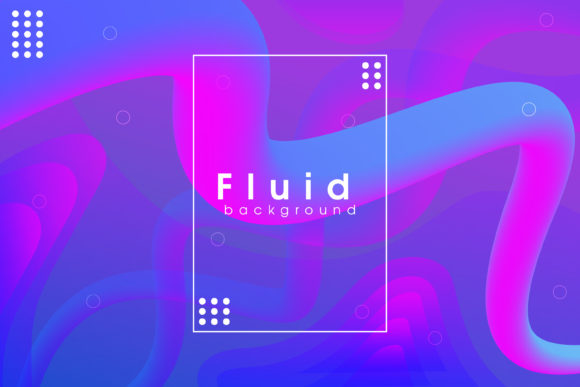
The Art and Science of 3D Fluid Vector Background Design
In recent years, the visual landscape of digital media has undergone a quiet but significant transformation. Where flat gradients and static stock imagery once dominated, a new aesthetic has emerged, one that feels alive, organic, and almost sentient. This shift is powered by 3D fluid vector background design, a technique that combines the mathematical precision of vector graphics with the organic, unpredictable beauty of liquid motion. Whether you have encountered it as a swirling hero section on a startup landing page, a subtle animated backdrop in a mobile app, or a dynamic visual in a presentation deck, this style is rapidly becoming a cornerstone of modern visual communication.
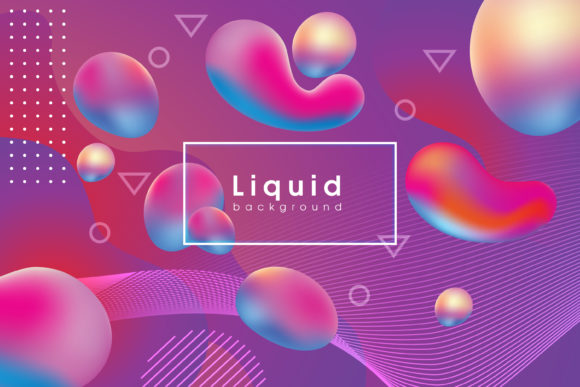
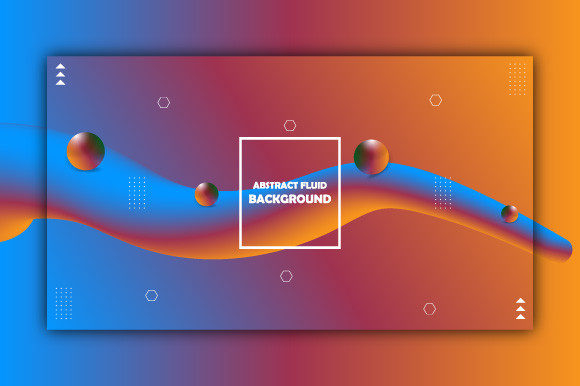
At its core, 3D fluid vector background design refers to the creation of abstract, flowing shapes that appear three-dimensional while being built from scalable vector paths. Unlike raster-based simulations that rely on pixels and can become blurry or heavy, vector fluid designs remain crisp at any resolution and typically require less processing power to render. This makes them uniquely suited for responsive web design, interactive interfaces, and performance-conscious digital products. What makes this approach so compelling is not just its technical efficiency, but its ability to evoke emotion and depth through shape, color, and motion.
Why 3D Fluid Vector Background Design Matters Now
Audience expectations have shifted dramatically over the past five years. Users are no longer impressed by static, cookie-cutter layouts. They have grown accustomed to polished, immersive experiences from streaming platforms, gaming interfaces, and premium apps. This has created a ripple effect across industries. A small business website that once felt adequate with a simple color block background now risks feeling dated if it lacks visual richness. 3D fluid vector background design offers a practical solution to this problem: it provides visual sophistication without demanding heavy load times, complex coding, or a massive design budget.
From a psychological perspective, fluid shapes naturally capture human attention. Our brains are wired to notice motion, especially organic, non-repeating movement. When a background softly undulates and shifts, it invites the viewer to pause and engage. This is particularly valuable for creators and marketers who have only a few seconds to make a first impression. A fluid background can act as a visual anchor, subtly guiding the eye toward key content or calls to action without being distracting.
Another factor driving adoption is the democratization of design tools. Software such as Adobe After Effects, Blender, and dedicated vector animation platforms have made it far easier for designers to experiment with fluid shapes. Templates and plugins now allow even those without a deep background in 3D graphics to generate professional-level fluid backgrounds. This accessibility has opened the door for freelancers, bloggers, and small business owners to elevate their visual identity without needing to hire a specialist for every project.
The Evolution from Static Vectors to Living Backgrounds
Vector graphics have been a staple of design for decades, valued for their scalability and clean lines. However, traditional vector art often feels rigid, constrained by the very precision that makes it useful. Curves are mathematically defined, and shapes tend to remain static once placed. The evolution toward fluid vector designs represents a break from this rigidity. Designers began experimenting with gradient meshes, warped paths, and layered transparencies to create the illusion of volume and movement. The next natural step was to animate these elements, turning still compositions into living landscapes.
The rise of WebGL and CSS-based animation tools accelerated this shift. Where once a fluid background required a heavy JavaScript library or a video file, modern techniques allow the browser to render vector-based fluid animations in real time. This means the background can respond to user interaction, resize seamlessly, and loop indefinitely without the performance hits that once plagued animated sites. For web developers and business owners alike, this efficiency is a game changer. A website with a fluid background can load quickly, run smoothly on mobile devices, and still deliver a premium visual experience.
It is also worth noting the influence of the broader 3D design movement. As augmented reality, virtual reality, and 3D product configurators become more common, user familiarity with dimensional visuals has increased. 3D fluid vector background design fits neatly into this context. It does not require a full 3D scene or complex modeling, but it borrows the language of depth, lighting, and perspective to create backgrounds that feel contemporary and forward-looking. For entrepreneurs and educators trying to position themselves as innovative, this aesthetic instinctively communicates that they are current with design trends.
Practical Applications Across Different Fields
One of the most practical appeals of 3D fluid vector background design is its versatility. It is not limited to a single industry or use case. In marketing, fluid backgrounds are used to break up sections of long-form sales pages, adding a sense of rhythm and preventing visual fatigue. A B2B software company might use a calm, blue-toned fluid background on its homepage to convey stability and innovation, while a creative agency might choose vibrant, rapidly shifting colors to showcase energy and boldness.
For educators and online course creators, fluid backgrounds can transform a standard slide deck or video backdrop. Instead of a plain white or gradient background that feels sterile, a subtle fluid animation can make the content feel more immersive and professional. This can help maintain student engagement during longer presentations or recorded lectures. The key here is subtlety; the background should enhance without overwhelming the primary content.
Freelancers and solo professionals can also benefit significantly. A personal portfolio site with a well-implemented fluid background immediately signals that the creator understands modern design principles. It can differentiate a freelancer from competitors who rely on generic templates. Since many template platforms now include fluid background presets, implementing this style is easier than ever. The result is a polished, distinctive online presence that builds credibility with potential clients.
Even in product design and app interfaces, fluid backgrounds have found a home. They are used in onboarding screens, loading states, and background layers to create a cohesive, brand-focused experience. When done well, they reduce the perceived waiting time and make interactions feel more responsive and delightful. For product designers and UX professionals, integrating fluid vector elements can be a thoughtful way to add personality to an interface without cluttering the functional layout.
Getting Started Without Overcomplicating the Process
For those new to this style, the most important principle is to start simple. The temptation to use highly complex, fast-moving animations can be strong, but restraint often yields better results. A fluid background should support the content, not compete with it. Begin with two or three softly moving shapes, using colors that complement your existing brand palette. Test the animation on both desktop and mobile to ensure performance remains smooth.
If you are using a design tool like Adobe Illustrator or Figma, start by creating abstract blob shapes using the pen tool or by warping basic circles. Export these as SVG paths and then bring them into an animation tool. Many web-based platforms also offer no-code options where you can adjust shape, speed, color, and opacity through sliders. For small business owners or bloggers with limited technical resources, these no-code solutions are a practical entry point.
Consider these guiding principles when designing your first fluid background:- Prioritize performance. Use vector formats over video files to keep load times low and scaling flexible.
- Match the tone. Slow, gentle movement suits professional and calm brands, while faster shifts can work for creative or youthful audiences.
- Test across devices. What looks stunning on a large monitor may feel chaotic on a phone screen. Always preview your design at different sizes.
- Keep accessibility in mind. Provide an option to reduce motion for users who are sensitive to animation or who prefer static layouts.
Integrating Fluid Backgrounds into Modern Workflows
For professionals and teams, incorporating 3D fluid vector background design often requires a shift in how visual assets are planned and produced. In traditional workflows, background design might be an afterthought, selected from a library of stock options at the end of a project. With fluid backgrounds, it is more effective to plan the visual atmosphere early, ideally during the wireframing or storyboarding phase. This ensures that the background complements the layout rather than forcing layout adjustments later.
Collaboration between designers and developers becomes especially valuable here. Designers may create stunning fluid compositions that are difficult to translate into code without significant optimization. Early communication about file formats, animation constraints, and target performance metrics can prevent frustration. Many teams now use design systems that include fluid background components, making it possible to reuse and adapt animations across multiple pages or products without reinventing the wheel each time.
For solo creators, the workflow is more direct but still benefits from structure. A recommended approach is to first define the emotional or tonal goal for the project. Ask yourself: what should the viewer feel when they first land on the page? Once that is clear, choose a color palette and motion speed that supports that feeling. Then generate your fluid shapes, test them in context, and refine. This process does not require advanced coding skills, but it does require intentionality.
A Realistic Look at Challenges
It would be misleading to suggest that 3D fluid vector background design is without challenges. One common issue is that very complex fluid animations can still affect performance on older devices or underpowered browsers. While SVG-based animations are generally efficient, adding multiple layers of overlapping, animated shapes can strain rendering. For this reason, it is wise to test on a range of devices, especially if your audience includes users in regions where older hardware is common.
Another challenge is overuse. As with any design trend, there is a risk that fluid backgrounds become so widespread that they lose their impact. The solution is to use them with purpose. A fluid background works well as a distinctive element on a landing page or as an accent in a hero section, but applying it uniformly across every page can diminish its effect. Reserve fluid backgrounds for areas where you want to create emphasis or emotional resonance, and use simpler backgrounds elsewhere.
There is also the consideration of branding consistency. Fluid backgrounds are inherently organic and somewhat unpredictable. If your brand relies on strict geometric patterns or highly structured visuals, a fluid background may feel out of place. In such cases, subtle variations of the approach, such as fluid-inspired static gradients or very slow-moving elements, can offer a middle ground. The key is to remain true to your brand identity rather than adopting a trend that conflicts with it.
Looking Ahead Without Overpromising
The trajectory of 3D fluid vector background design suggests continued integration into mainstream design practice rather than a passing fad. As browser capabilities grow and design tools become more intuitive, the barriers to entry will continue to lower. We can expect to see more interactive fluid backgrounds that respond to cursor movement, scroll position, or even user data in real time. However, the fundamental principle will remain the same: the background should serve the content and the user experience, not dominate it.
For marketers and business owners, the practical takeaway is that visual investment pays dividends. Audiences judge credibility and quality within seconds, and background design is a subtle but powerful part of that judgment. 3D fluid vector background design offers a way to convey sophistication, attention to detail, and a forward-looking mindset without requiring a complete redesign or a massive budget. It is an accessible, scalable tool for making digital experiences visually memorable.
For creators, educators, and freelancers, the message is similar. You do not need to be a 3D specialist or a seasoned animator to use this technique effectively. By understanding the basic principles of shape, motion, color, and performance, you can create backgrounds that elevate your work and resonate with your audience. The most successful applications will always be those that feel intentional, restrained, and aligned with the purpose of the content they support.
In a world where digital noise is constant, a thoughtfully designed fluid background can be a moment of visual calm or a spark of energetic creativity. Whether you are building a brand, teaching a course, or simply wanting your work to stand out, this approach offers a flexible and effective path forward. The key is to start where you are, experiment with purpose, and always keep the viewer experience at the center of your decisions.